Vintage China: Buy what you love
There is something magical about discovering a beautiful piece of vintage china. Maybe it’s a delicate floral teacup tucked onto a thrift store shelf, an elegant dinner plate waiting at an estate sale, or a serving platter that reminds you of your grandmother’s table. Every piece has a story, and part of the joy is imagining the meals, celebrations, and conversations it has witnessed over the years.
The good news is that you don’t have to be an expert collector to begin. You simply need to know what to look for—and what to leave behind.
My first rule is simple: buy what you love.
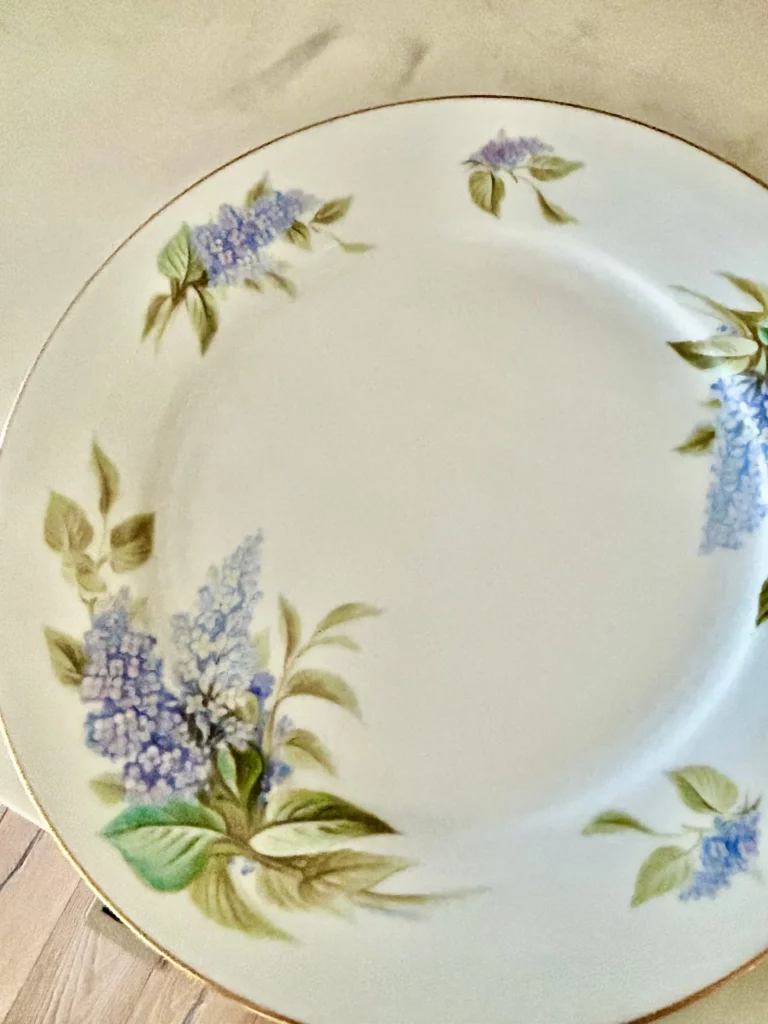
Don’t worry about whether a pattern is considered valuable or collectible. If it makes you smile and you can imagine using it on your own table, it’s worth considering. Beautiful tables are built one meaningful piece at a time. The lilac pattern above was suggested by a friend who was out estate sale shopping, thought of me, and now everytime I see it, I think of her. And, I love purple!!
When I’m doing the shopping, I also have three non-negotiables.
My Personal 3 Rules
My three non-negotiables are simple: no chips, no cracks, and no crazing. A tiny chip can grow larger over time, and cracks weaken a piece considerably. Crazing is the network of fine, hairline cracks that sometimes appears in the glazed surface of china. It develops when the glaze and the clay body expand and contract at different rates over the years due to age, temperature changes, or the original manufacturing process. While many collectors don’t mind crazing—especially on very old or highly collectible pieces—I usually pass. Those tiny cracks can trap moisture, food particles, and stains, making the china more difficult to keep looking clean and beautiful. If I see crazing on new pieces, it’s a hard no, due to possible defects. In older pieces, it adds to the charm.
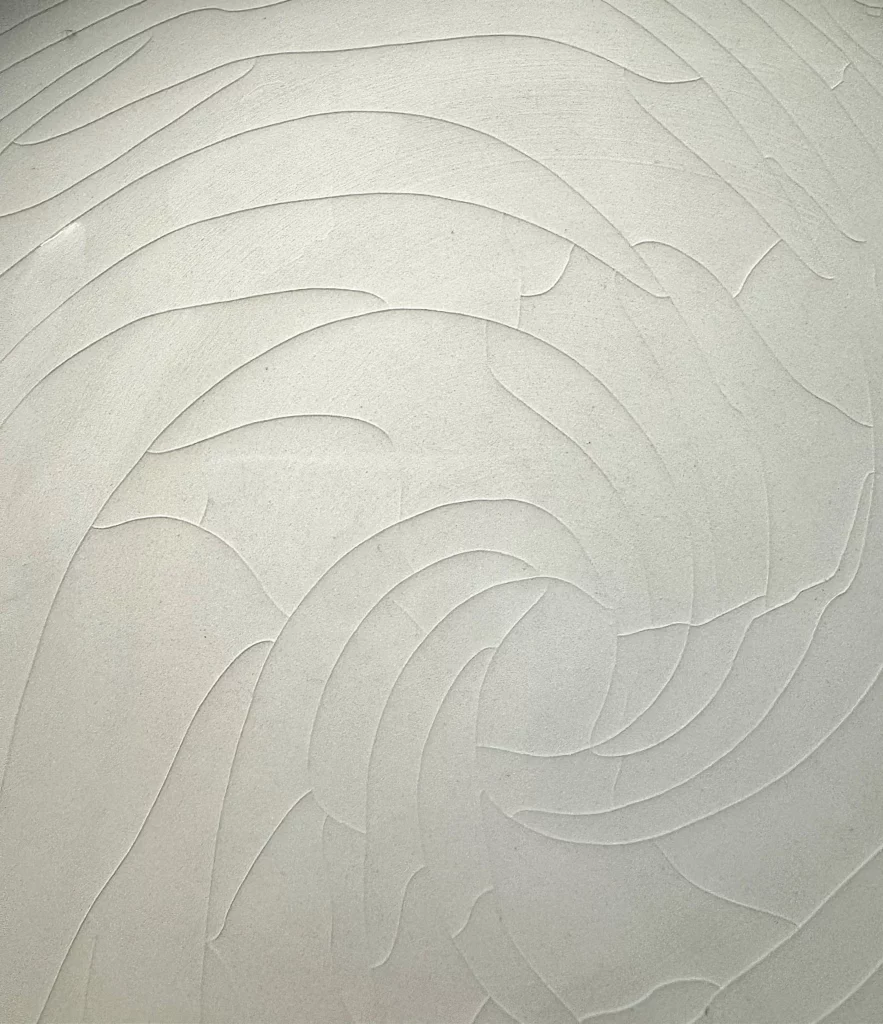
Next, inspect every piece carefully. Turn it over and examine both the front and back. Hold it up to the light to check for hidden cracks. Run your finger gently around the rim to feel for small chips you might not immediately see; but be careful when inspecting glass because it can cut you. Ask me how I know!
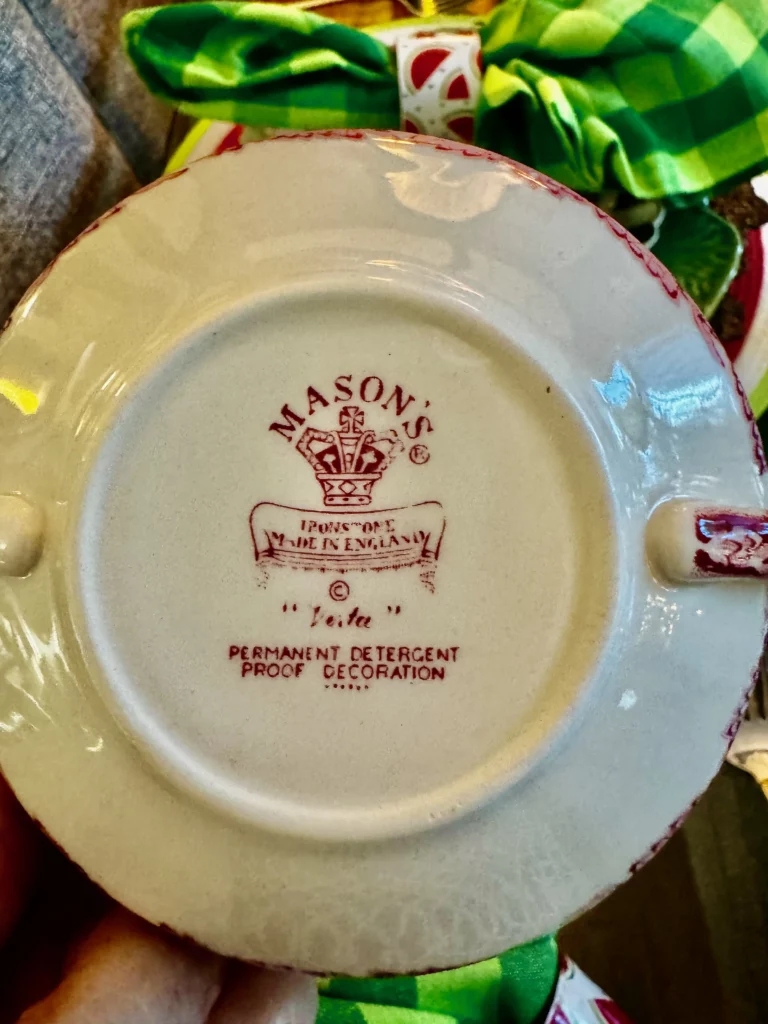
Signs of Repair
Look for signs of repairs as well. Sometimes an old crack has been glued back together. Now I do have some repaired pieces that have come to mean more to me than perfect pieces. In particular, a Lenox platter is now my very favorite platter because of how it was repaired. Normally, I might purchase a repaired piece for decorative display only, but occasionally I’ll use it just because I love it!
If you’re buying several place settings, compare the color of each piece. China patterns produced over many years can vary slightly in color or shape. Some collectors enjoy those subtle differences, while others prefer matching sets.
Don’t overlook serving pieces. Platters, bowls, gravy boats, creamers, sugar bowls, and vegetable dishes often become the stars of a beautiful table. They’re also wonderful for mixing vintage pieces with newer dishes you already own.
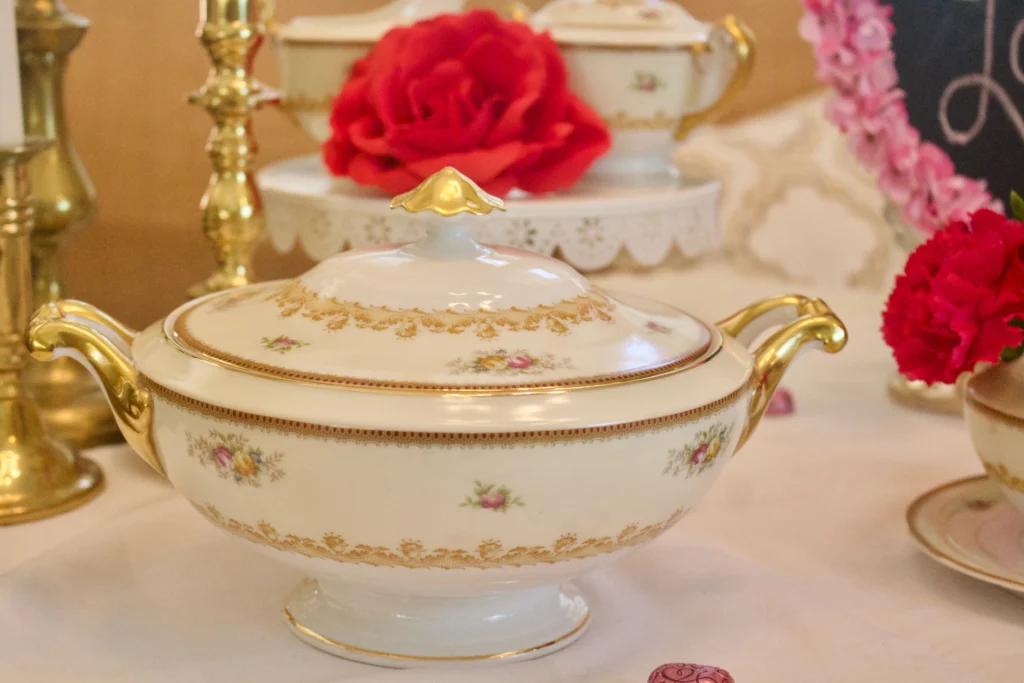
Think beyond complete sets
One of my favorite tips is to think beyond complete sets. A single salad plate can become a charming dessert plate. An old teacup can hold flowers on your table. A covered cheese plate or butter pat can become a conversation starter.
Always consider whether you’ll actually use the piece. Some antique china contains metallic trim that isn’t microwave-safe, and delicate hand-painted pieces may be best washed by hand. If your goal is everyday enjoyment, choose pieces that fit your lifestyle.
Online searches
It’s also worth doing a quick online search if you find an unfamiliar maker’s mark. Knowing the manufacturer, pattern name, and approximate age can help you understand what you’re buying and whether additional pieces are readily available.
Finally, don’t rush
Vintage china has a way of finding you. Some of my favorite pieces weren’t purchased because I needed them—they came home because they spoke to me. Those are often the dishes that become family favorites and appear on the table again and again.
Some of my favorite places to shop for vintage china:
Southern Antiques & Accents-Fairhope, AL
Emma Kate’s Cottage – Attalla, AL
Scott’s Antique Market – Atlanta, GA – open 2nd weekend of the month, so be sure to check dates before you go!
Crestwood Pickers – Birmingham, AL
Irondale Pickers – Birmingham, AL
Hannah Antiques – Birmingham, AL
Shopping for vintage china isn’t just about collecting dishes. It’s about preserving craftsmanship, celebrating hospitality, and creating new memories around your own table. Every beautiful table begins with one piece that captures your heart.